
Diner DASH Adventures
GluCasual
3.815.07K Reviews
- Version
- 1.74.0
- Installs
- 5.00M
- Age Rating
- Everyone 10+
Screenshots
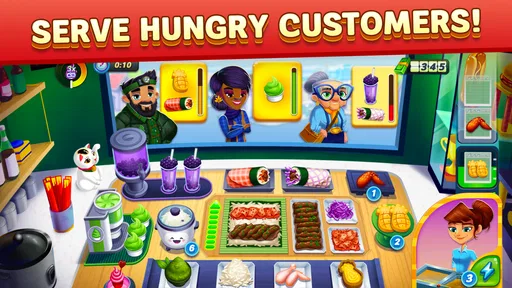
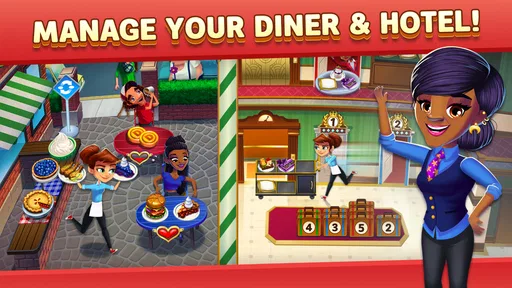
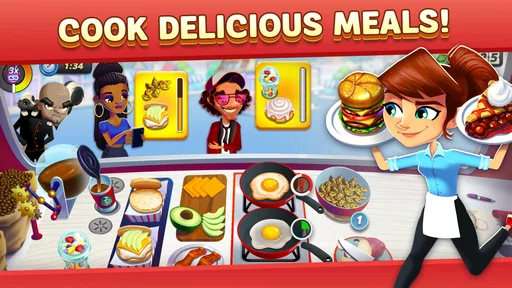
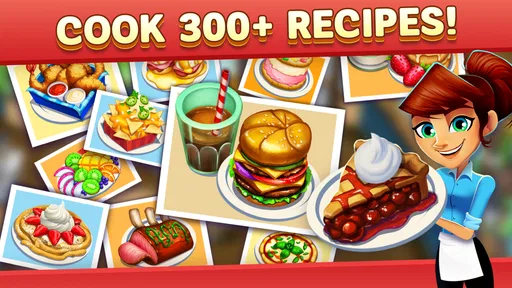




Our Review of Diner DASH Adventures
 Analysis by Appyee
I spent time with Diner DASH Adventures as a light, fast-moving casual game, and my first impression was that it works best in short bursts rather than as a deep strategy experience. The basic appeal is easy to understand: you manage a diner under pressure, make quick choices, and try to keep the service flowing while the game adds a playful adventure layer around the restaurant. It is the kind of title I can open when I have a few spare minutes and want something more active than a simple matching game.
That accessibility is important because the game does not ask me to learn a complicated control scheme before I can enjoy it. The challenge comes from timing, attention, and deciding what deserves priority when several things happen close together. I found that familiar restaurant setting more useful than it may sound: it gives every action an immediate purpose, so even a short session feels like it has a clear objective.
How the diner experience feels in everyday play
At its heart, this is a service-management game. I am not simply tapping random objects for points; I am trying to keep a sequence of tasks moving without letting the whole operation become chaotic. That creates a pleasant rhythm. I look ahead, react to what is happening now, and learn from the moments when I handled the order of actions badly.
The casual label fits, although the game is not always completely relaxing. Early play is approachable, but the pressure rises when several demands compete for attention. That gradual increase gives the game a useful learning curve. I can start casually, then begin thinking about efficiency once the basic actions feel familiar. Players who enjoy improving a previous attempt will probably get more from it than players who only want a passive time-filler.
The restaurant theme also gives the game a stronger personality than a bare score-chasing title. The diner is not just a background; it is the reason the tasks make sense. The surrounding adventure presentation helps break up the feeling of repeating identical service rounds, even though the central activity remains focused on managing the diner. I liked that balance because it keeps the game recognizable without turning it into a completely different genre.
One practical tip made a noticeable difference in my sessions: I stopped treating every customer or task as equally urgent. Instead, I watched the whole service area for a moment before committing to the first available action. That small pause helped me avoid creating a worse bottleneck by solving one problem while ignoring another. It is a simple habit, but it makes the game feel more strategic without adding complicated rules.
Another useful approach is to use short sessions deliberately. When I played while waiting for an appointment or taking a break, the compact structure suited me well. When I tried to continue for a long stretch, the repeated service pressure became more tiring, especially if I was chasing better results rather than simply progressing. This is a game I would recommend fitting around your day, not necessarily one to treat as a long evening adventure.
What the free download really means
The game is free to download, which makes trying it straightforward. That matters here because the appeal depends heavily on whether you enjoy the pace of diner management. I could sample the core experience before deciding whether it deserved a regular place on my phone or tablet. There is no need to commit money just to discover that the style is not for me.
Free access should not be confused with an entirely cost-free experience. The game includes in-app purchases ranging from $0.99 to $99.99 per item, and its store summary specifically warns about in-game purchases and random items. I would therefore treat the free version as an opportunity to test the gameplay, not as a promise that every part of the progression will feel equally comfortable without spending.
That distinction is especially relevant for families. The content rating is Everyone 10+, but the purchase structure still deserves attention if a child uses the device. I would keep purchase controls protected and explain that optional items can carry real costs. The age guidance describes the content audience; it does not remove the need for sensible spending boundaries.
I also would not judge the game’s value by the largest purchase shown. A high-priced option may exist, but that does not mean a new player needs it. My advice is to play long enough to understand whether the diner loop itself is enjoyable, then decide whether any optional purchase solves a problem you actually have. Spending before learning the game’s natural rhythm makes it harder to tell whether you value the experience or simply want to remove friction.
Where the value comes from
The strongest value is the combination of quick decisions and an approachable theme. Many casual games offer very short interactions, but this one gives those interactions a connected purpose. I am trying to keep a restaurant functioning, not merely clear a board or wait for a timer. That context makes small improvements feel meaningful, particularly when I begin recognizing patterns in how I respond to busy moments.
I also found value in the game’s ability to serve different moods. On a relaxed day, I can focus on the cheerful setting and complete a few rounds without overthinking them. On a more competitive day, I can pay closer attention to timing and efficiency. It does not become a serious simulation, but it offers enough pressure to make improvement satisfying.
A less obvious strength is that it rewards planning without requiring a spreadsheet mindset. Before acting, I can scan the current situation and decide which sequence is likely to keep the diner moving. That makes it a decent choice for someone who enjoys light optimization but does not want the complexity of a full management simulator. The decisions are understandable quickly, yet they still matter when the pace increases.
Compared with a typical match-three game, the satisfaction here comes less from building a chain and more from maintaining flow. Compared with a full restaurant simulation, it is much easier to pick up and less concerned with detailed economics or long-term business planning. That middle position is its clearest identity. If I want a puzzle that is almost entirely about patterns, I would choose something else. If I want deep menus, staffing, and financial systems, I would also look elsewhere.
The adventure framing adds another useful difference from ordinary time-management games. It gives the diner activity a broader sense of progression and presentation, so the experience does not feel like a collection of disconnected counters. Still, I would keep expectations realistic: the main pleasure remains the service loop, and anyone seeking a story-heavy adventure should not buy into the theme expecting a narrative game first.
Tradeoffs that affect the experience
The biggest tradeoff is pressure versus relaxation. The game is colorful and approachable, but the diner can become hectic. That tension is part of the fun, yet it can also make a supposedly casual session feel demanding. I would not choose it when I want something completely calm, especially if I am already tired or distracted.
Attention matters more than raw speed. A fast player who acts without looking ahead can create a poor sequence, while a slightly slower player who prioritizes well may perform better. This is good design for people who enjoy learning a routine, but it may frustrate anyone who expects progress to come mainly from tapping faster. I found that the game rewarded concentration, not just reflexes.
The purchase model is another clear compromise. Free entry lowers the risk of trying it, but the presence of optional purchases and random items means the long-term value depends on how comfortable I am with that structure. Players who prefer a single upfront price and a predictable complete package may find the arrangement less appealing than a paid casual game with no purchase layer.
Random items also change how I think about spending. If I know exactly what I am buying, I can compare the cost with the benefit more easily. When chance is involved, the decision becomes less precise. My practical rule is to avoid spending because of a temporary run of bad luck. If progress feels slow, I would first change my play approach, take a break, or accept a shorter session rather than immediately trying to solve the feeling with a purchase.
There is also a device and audience consideration. The game requires Android 8.0 or later, so it is not aimed at very old Android hardware or software. On a compatible device, the quick-session format is convenient, but the experience still depends on being able to see the action clearly and respond comfortably. I would be cautious about recommending it to someone using an older phone that already struggles with modern games.
The current version is 1.74.0, and the game comes from Glu, a developer with experience in mobile entertainment. Those details do not automatically guarantee that the game will suit everyone, but they help place it as an established mobile release rather than an experimental little time-killer. Its reach is substantial, with over five million installs, while the average rating sits at 3.8 from around eighty-nine thousand ratings. I read that combination as a sign of broad interest with some meaningful disagreement: plenty of people find the formula appealing, but it is not a universal favorite.
Who is most likely to enjoy it
I would recommend it first to players who like time-management games but want a more playful presentation than a strict business simulator. It is also a good fit for someone who enjoys improving through repetition. The satisfaction comes from recognizing what went wrong, adjusting the order of actions, and handling the next busy sequence more cleanly.
It works particularly well for short breaks. Imagine waiting for a train, sitting in a reception area, or taking a few minutes between chores. I can play a little, put the device away, and return later without needing to remember a complicated control system. That makes it more practical than a game that demands a long uninterrupted session before anything meaningful happens.
Parents and older children may also find the theme approachable, provided purchase controls are handled responsibly. The Everyone 10+ rating makes it more suitable for a broad audience than a mature action game, but the purchase warning means I would still supervise how optional items are treated. The game can be shared as a casual activity, although younger players may need help understanding why free installation does not mean every optional item is free.
I would skip it if I dislike timers, customer-service themes, or games that ask me to repeat a central routine while gradually increasing pressure. I would also skip it if my priority is a completely transparent paid experience with no random-item element. In that case, a premium casual game with a one-time price would probably offer a better match, even if it had less of the diner adventure atmosphere.
Likewise, players searching for a deep restaurant economy should choose a more detailed management title. This game’s appeal is immediacy. It gives me decisions I can understand quickly, not a large system of menus, staffing, supply chains, and financial forecasting. That limitation is not a flaw by itself; it simply defines the audience that will appreciate it most.
My practical verdict before you install
My recommendation is to try the free version if you enjoy casual time-management and want a game that can fill small gaps in the day. Give the core diner loop a fair test before thinking about purchases. Pay attention to whether you enjoy the process of planning service, not just the promise of unlocking more content. If the basic rhythm already feels repetitive or stressful, spending will not fix that underlying mismatch.
For players who like light strategy, the game offers more substance than its cheerful surface first suggests. The useful skill is not frantic tapping; it is learning to read the situation, prioritize tasks, and keep the service chain from collapsing. That gives the short sessions a satisfying sense of improvement, especially when I can identify exactly why a previous attempt went badly.
For players who want predictable costs, I would be more cautious. Free access is a real advantage for sampling the game, but the purchase range and random-item warning mean the value proposition changes once money enters the picture. I would only spend after deciding that the diner gameplay is worth supporting, and I would set a firm personal limit rather than treating purchases as part of normal progress.
Overall, I see this as a solid casual option for the right mood: approachable, energetic, and easy to fit into a busy day. It is not the best choice for deep simulation, completely calm play, or a no-surprises premium model. But if you want a lively diner challenge with an adventure flavor and enough room to improve your decisions, I think it is worth downloading and judging through play rather than through the purchase options alone.
My bottom line: start free, learn the service rhythm, protect your spending settings, and only continue if the act of running the diner is genuinely fun to you. That approach gives the game a fair chance while keeping its biggest tradeoff—the optional purchase and random-item structure—in clear view.
Verdict
Strengths of Diner DASH Adventures
- Fast-paced levels keep short play sessions engaging.
- Restaurant customization adds a satisfying creative element.
- Regular events provide extra goals beyond the main stages.
- Simple controls make it accessible for casual players.
- Familiar characters and humor give the game extra personality.
Limitations of Diner DASH Adventures
- Energy limits can interrupt play when you are on a winning streak.
- Later levels may feel difficult without upgrading key equipment.
- Some rewards and features depend heavily on timed events.
- Frequent pop-ups can make the menus feel somewhat cluttered.
- Progress may feel slow if you avoid optional purchases.
Other Releases by Glu
View All
Cooking Dash
Casual4.0
Similar Picks in This Category
View All
My Talking Angela
Outfit7 Limited4.2

My Talking Tom
Outfit7 Limited4.3

Pou
Zakeh4.2

My Talking Tom 2: Pet Game
Outfit7 Limited4.3

Candy Crush Saga
King4.6

Bridge Race
Supersonic Studios LTD4.1
Frequently Asked Questions
What is Diner DASH Adventures?
Diner DASH Adventures is a time-management restaurant game that combines fast-paced serving challenges with a town-rebuilding storyline. You help Flo restore a once-thriving neighborhood by completing diner levels, serving customers quickly, earning rewards, and unlocking new areas. Along the way, the game includes character-driven events, decorations, upgrades, and additional activities beyond the main restaurant service.
Is Diner DASH Adventures free to download and play?
Yes, Diner DASH Adventures can generally be downloaded and played for free on supported mobile devices. However, it uses optional in-app purchases for items such as premium currency, boosters, extra resources, or special offers. Progress is possible without spending money, although players may encounter waiting periods, limited energy, or slower access to certain upgrades unless they choose to purchase additional help.
Does Diner DASH Adventures require an internet connection?
An internet connection is recommended for Diner DASH Adventures because the game may need to connect to its servers for progress synchronization, events, advertisements, purchases, and new content. Some gameplay elements might work temporarily while offline, but full functionality is not guaranteed. Players should also expect connection requirements when installing updates or accessing limited-time challenges and online rewards.
Is Diner DASH Adventures suitable for children?
Diner DASH Adventures is colorful, cartoon-styled, and generally easy to understand, making it approachable for younger players and families. Nevertheless, parents should review the game’s age rating and device settings because it may include advertisements, in-app purchases, and promotional offers. Fast-paced levels can also encourage repeated play, so parental controls and spending restrictions are advisable for children.
Are there ads and in-app purchases in Diner DASH Adventures?
Yes, Diner DASH Adventures may include advertising and optional in-app purchases. Ads can sometimes provide rewards or additional benefits, while purchases may offer premium currency, boosters, lives, or faster progress. Spending is not mandatory to experience the main game, but free players may need more patience when managing resources, waiting for replenishment, or completing difficult levels without extra assistance.
Play our best games!


